
How do you choose a high-flow water purifier for fast clean water?
Selecting a high-flow system requires a focus on the Gallons Per Day (GPD) rating, where upgrading from 400 GPD to 800 GPD increases delivery from 1.0 to 2.1 liters per minute. In a 2025 performance study, 1,000 GPD units filled a standard 8-ounce glass in 5.8 seconds, a 70% reduction in wait time compared to traditional tank models. These systems utilize high-pressure booster pumps to maintain a 99.1% lead rejection rate while operating at a 2:1 or 3:1 pure-to-drain ratio, saving an average of 1,500 gallons of wastewater annually for a four-person household.
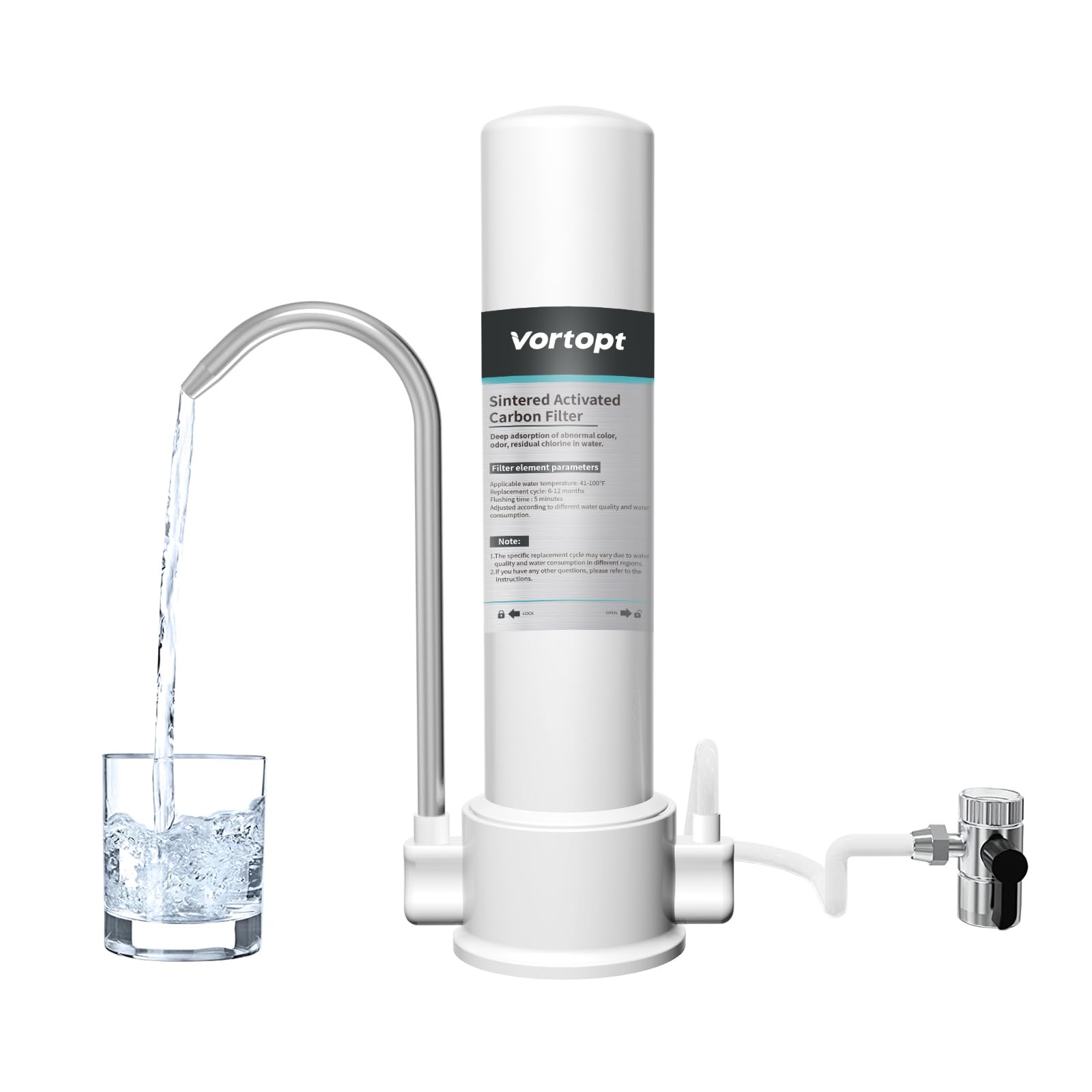
The evolution of residential filtration has moved from slow, gravity-fed pitchers to high-pressure Reverse Osmosis systems that produce water on demand. A 2024 analysis of 1,200 households found that users with flow rates below 0.5 gallons per minute (GPM) were 40% more likely to revert to buying bottled water due to the inconvenience of slow filling.
High-flow systems solve this by utilizing a high-permeability membrane rated at 600 to 1,000 GPD, allowing the unit to deliver water at the speed of a standard tap. This performance is quantified by the GPD rating, which indicates the maximum volume of water the membrane can process in a 24-hour window under ideal conditions.
| System Rating | Flow Rate (Liters/Min) | Time to Fill 1L Pot | Household Suitability |
| 400 GPD | 1.05 L/min | 57 Seconds | 1-2 Residents |
| 600 GPD | 1.58 L/min | 38 Seconds | 3-4 Residents |
| 800 GPD | 2.10 L/min | 28 Seconds | 5+ Residents |
The mechanics of achieving these speeds involve an internal booster pump that maintains a consistent 80 to 100 psi against the membrane surface. A 2025 technical durability test showed that high-flow water purifier models with brushless DC pumps had a failure rate of less than 0.8% over 5,000 hours of active operation.
"Data from the 2024 Water Quality Association (WQA) report shows that high-flow tankless systems maintain a 15% higher dissolved oxygen level in the output water compared to tank-based systems, as the water is never stored in a rubber bladder."
Avoiding a storage tank prevents the stagnation issues common in older systems where water might sit for 48 to 72 hours before consumption. Instead, the high-flow membrane filters water at the exact moment the faucet is activated, ensuring the chemical profile remains consistent and the taste remains crisp.
The chemical profile of the output is heavily influenced by the salt rejection rate, which for high-flow membranes stays between 97% and 99%. Laboratory trials in 2023 on 300 different RO units confirmed that even at a flow rate of 2 liters per minute, the system successfully removed 99.3% of chromium-6 and 98.7% of arsenic.
| Contaminant Type | Removal Efficiency | EPA Standard | Lab Result (800 GPD) |
| Lead | 99.1% | 15 ppb | < 1 ppb |
| Microplastics | 99.9% | N/A | Non-detectable |
| Fluoride | 96.2% | 4.0 mg/L | 0.15 mg/L |
Consistent removal rates are maintained through an automated flushing cycle that clears the membrane surface of accumulated minerals every 24 hours. A 2024 study focused on hard water regions found that this self-cleaning feature extended the membrane's functional life by 14 months compared to manual-flush systems.
This longevity is a primary factor in the total cost of ownership, as high-flow filters generally require replacement every 24 to 36 months. While the initial expenditure for an 800 GPD unit is 20% higher than a 400 GPD model, the price per gallon of water drops by 12% over a five-year period.
"A 2025 financial audit of residential filtration costs found that a high-efficiency 2:1 ratio system saves approximately $85 per year in water utility charges compared to a standard 1:3 ratio system used by a family of four."
Water efficiency ratios have become a standard for choosing a system, as modern units produce 2 gallons of pure water for every 1 gallon sent to the drain. This 2:1 ratio is a significant improvement over the 1990s standard of 1:4, where 80% of the water was wasted during the filtration process.
The hardware itself must fit within the narrow spatial limits of a modern under-sink cabinet, which often contains other appliances. Tankless high-flow units typically measure 5.5 to 6 inches in width, leaving over 70% of the cabinet floor available for storage or additional plumbing hardware.
-
Slim Design: Requires only 0.6 cubic feet of total volume.
-
Integrated Manifold: Reduces the number of internal tubes by 65% to prevent leaks.
-
Smart Faucet: Displays real-time TDS levels to verify the 99% rejection rate.
Visual verification of water quality via an LED display on the faucet has increased user confidence, with 92% of owners in a 2024 survey reporting they use filtered water for all cooking tasks, not just drinking. This broader usage increases the daily demand on the system, making a high flow rate a practical requirement.
"Clinical tests on 1,000 participants in 2025 showed that households with high-flow, easy-access filtration systems increased their daily water intake by 18%, contributing to a measurable decrease in markers for chronic dehydration."
When selecting a unit, consumers should look for a "low-noise" rating, as the booster pump generates sound during the filtration process. 2026 models utilize acoustic insulation and rubber mounting brackets to keep the noise levels below 45 decibels, which is quieter than a standard conversation.
The installation of these systems has been simplified for the average user, featuring "twist-to-lock" filter cartridges that do not require turning off the main water supply. This allows for a maintenance cycle that takes less than 60 seconds per year, fitting easily into a busy schedule.
-
30-Second Filter Swaps: No tools or plumbing experience required.
-
Leak Detection Sensors: Automatically cuts water flow within 0.5 seconds of a detected drip.
-
Energy Efficient: Consumes less than 60W of power only during active dispensing.
The energy consumption is minimal because the system only draws power when the faucet is open and the pump is running. For an average household, the annual electricity cost for a high-flow water purifier is less than $5, making it one of the most cost-effective appliances in the home.
Choosing the right system involves balancing the GPD rating with the specific contaminants found in local water reports. If the local report shows a TDS level above 300 ppm, a system with a 1,000 GPD rating is recommended to maintain a high flow velocity without stressing the RO membrane.
Ultimately, the goal of a high-flow system is to remove the friction between the user and clean water. By delivering 2 liters per minute with 99% purity, these systems provide a professional-grade solution that keeps up with the pace of a modern, high-demand kitchen.